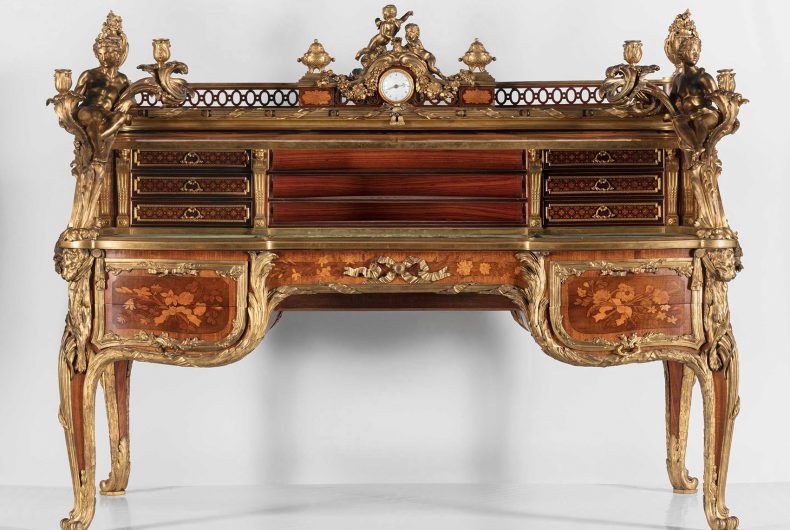
Works of art and furniture
Accessible timber can document species, making techniques, later alterations and usable chronological evidence.
- Furniture
- sculptures
- woodwork
- painted panels
- frames
- stalls

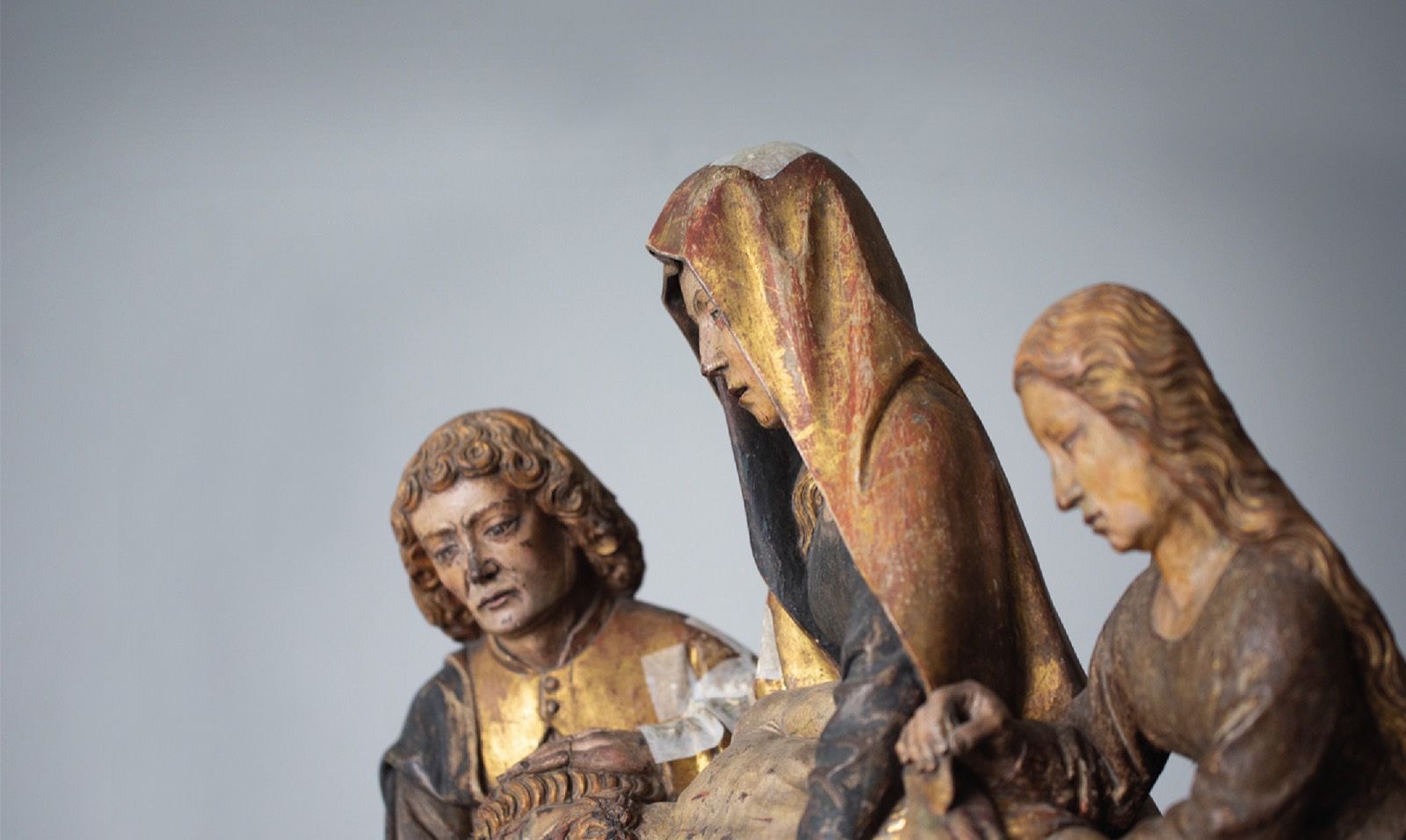
Didier Pousset · Archaeodendrometrist
Didier Pousset assists heritage institutions and professionals with the scientific study of historic timber, from defining the protocol to reporting the findings.
Associate researcher at the ARTEHIS laboratory · Expert at the Dijon Court of Appeal
Archaeodendrometry combines xylology, which identifies wood species; dendromorphology, which studies the shape and conversion of timber; tracology, which examines tool marks and reconstructs gestures; and dendrochronology, which dates wood through the year-by-year study of growth rings.
These complementary approaches apply to works of art and furniture, archaeological remains, architectural timber and musical instruments.
A tailored study
Clarify the object or structure, its context and accessibility, and the questions the study needs to address.
Select the appropriate methods, areas to examine and, where necessary, the conditions for observation or sampling.
Document the timber, measure usable data and compare it with the available references or comparative material.
Present the observations, their interpretation and their limits in the format agreed during scoping.
Services
Accessible timber can document species, making techniques, later alterations and usable chronological evidence.
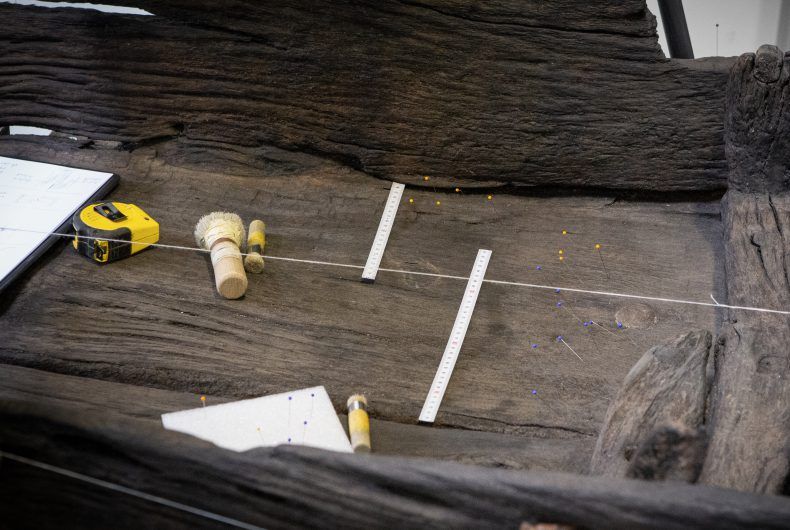
Waterlogged wood is studied through identification, dating, dimensions, and surviving cutting and shaping marks.
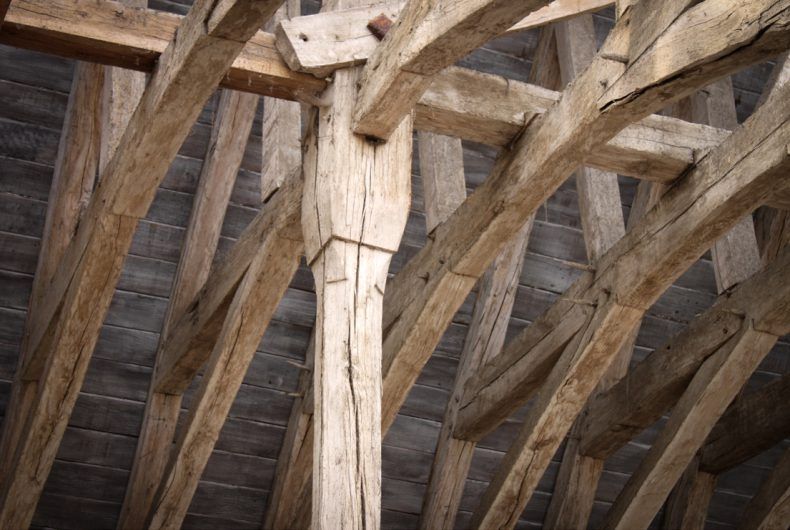
A representative group can refine timber chronology and contribute to reconstructing the progress of a building project.
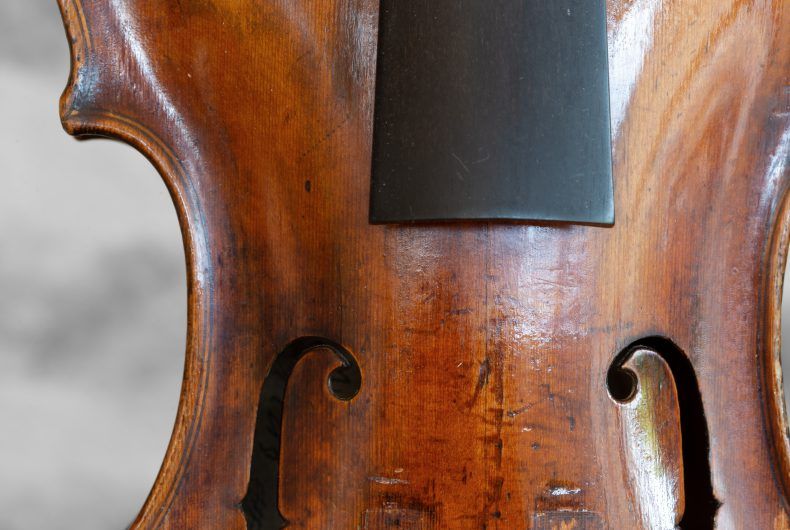
Dendrochronology of resonance wood looks for dating evidence and compares it with the available references.
Expertise in practice
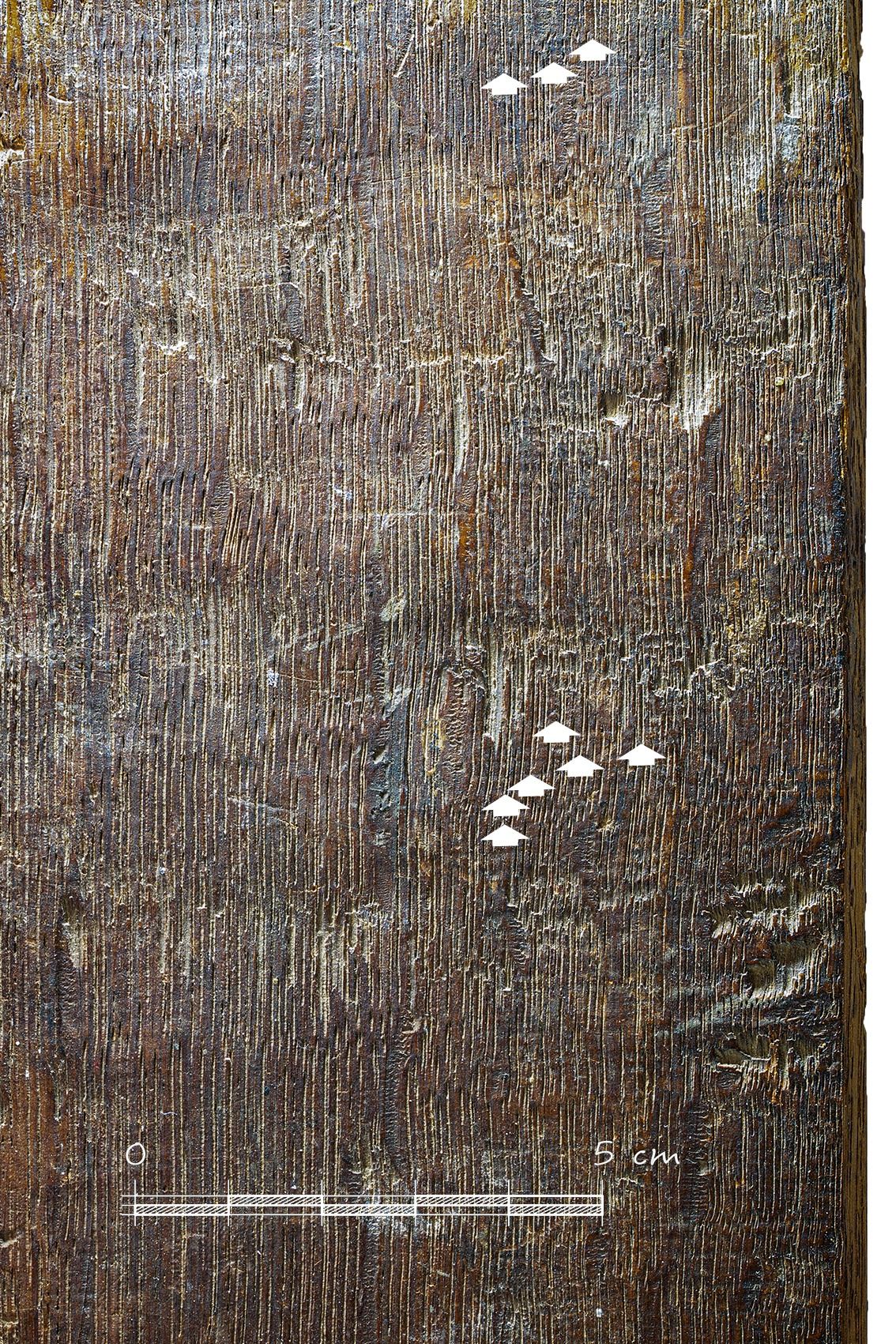
Case study
Dendrochronological and dendromorpho-tracological study of an oak panel depicting the Holy Family.
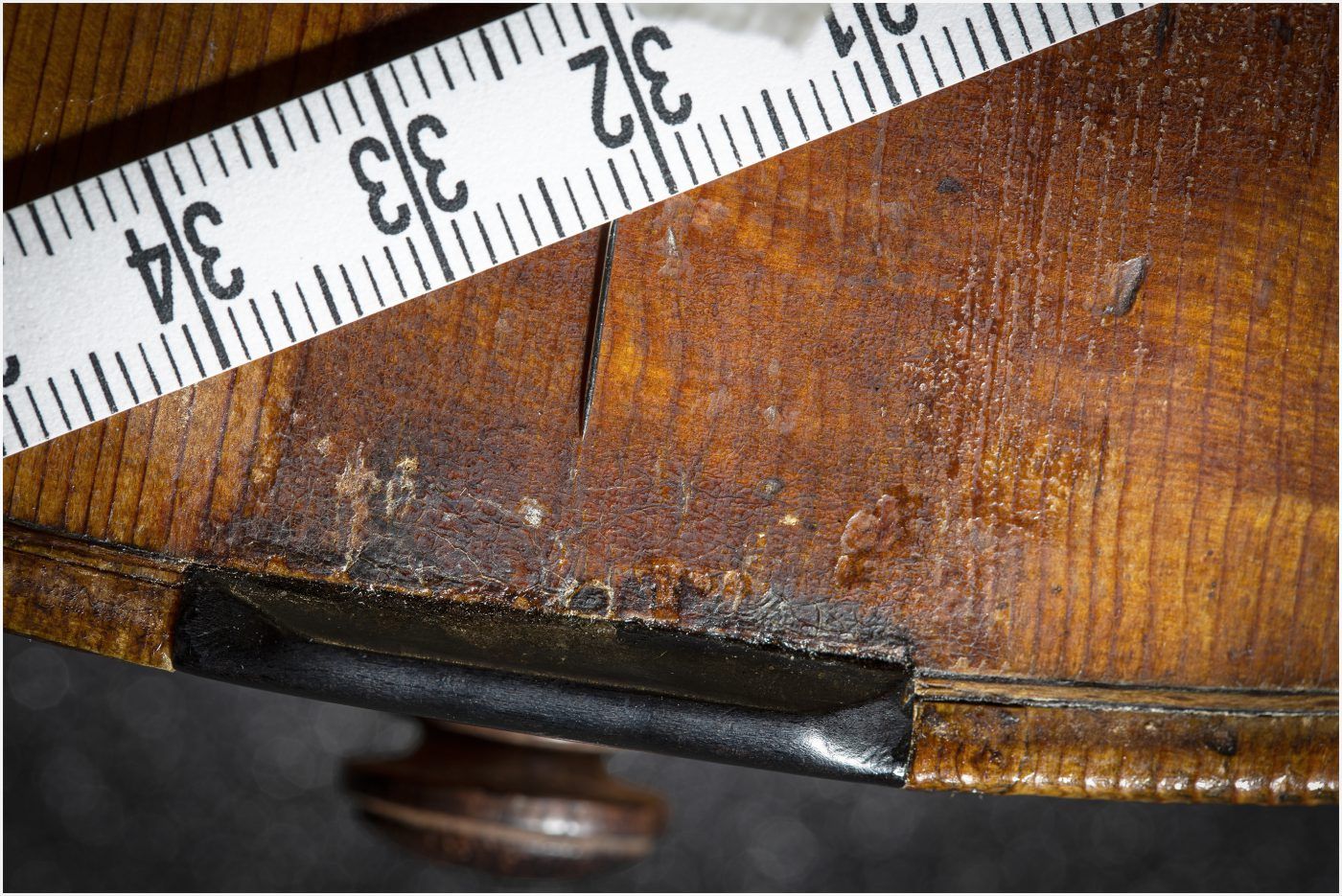
Case study
A study campaign examining spruce used by nineteenth-century instrument makers in Mirecourt, Vosges.
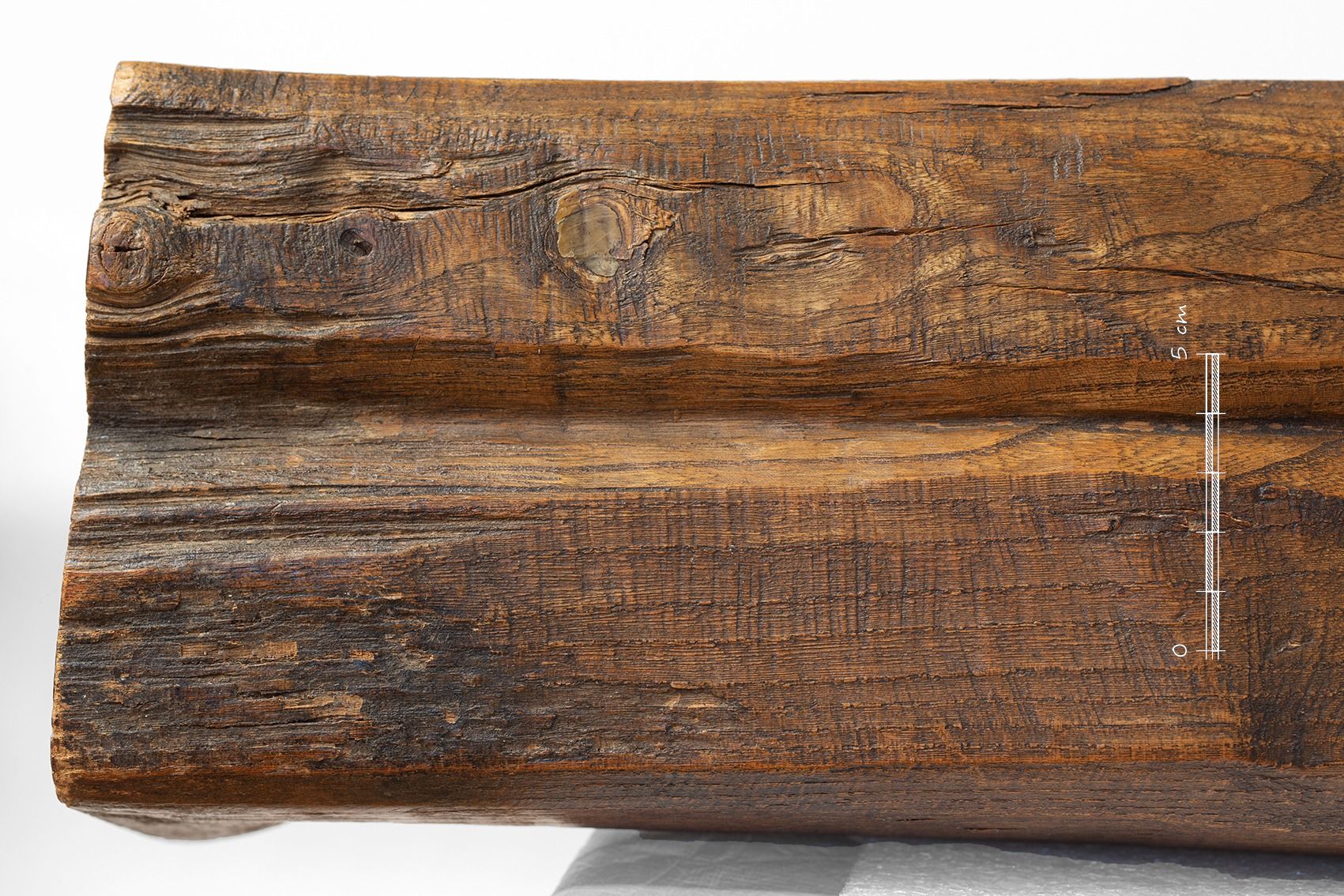
18–20 May 2026
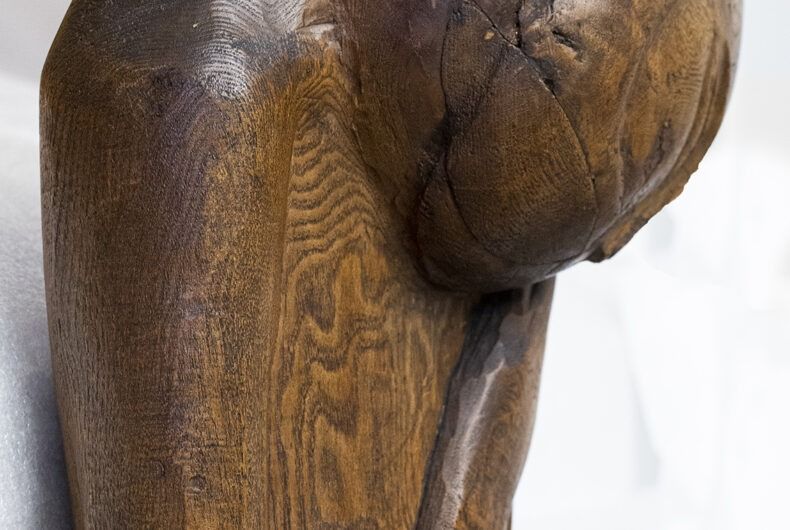
Non-intrusive archaeodendrometric comparison of two wooden groups bearing Ossip Zadkine's signature.
About
Archaeodendrometrist, associate researcher at the ARTEHIS laboratory and expert at the Dijon Court of Appeal.
His approach combines xylology, dendromorphology, tracology and dendrochronology to read materials, technical gestures and time.