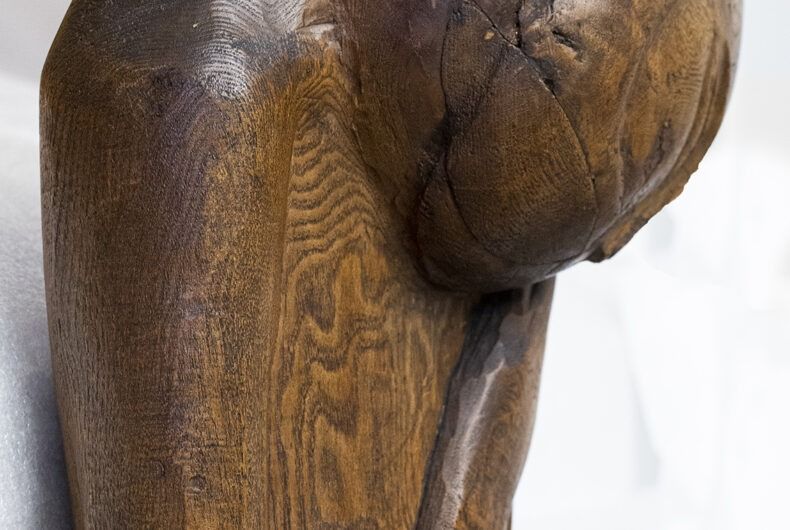
Didier Pousset studies the wooden components of works of art and furniture to document their materials, making techniques and chronology. The examination forms part of a multidisciplinary approach involving the professionals responsible for understanding and conserving the object.
When to involve Didier Pousset
- To identify species and examine how timber was selected
- To document conversion, joints, tool marks and making techniques
- To look for chronological evidence in accessible growth rings
- To characterise later alterations, grafts or reused timber
- To complement the study of an object before or during conservation
Types of object studied
- Seventeenth- and eighteenth-century furniture
- Sculptures and carved works
- Painted panels and frames
- Stalls, woodwork, chests and objects of art
Feasibility and limits
The relevance of the findings depends on what can actually be accessed on the object. Cleaning or conservation work is often a favourable opportunity because the examination can be coordinated with conservators and restorers.
The protocol is adapted to each work. Some objects can be examined visually and non-intrusively, but this must be assessed for the case concerned. Archaeodendrometry contributes evidence to a wider assessment; on its own, it does not guarantee an attribution.
Reporting
The scope and format of reporting, including whether a report is required, are agreed when the study is framed. They reflect the observations that can be made, the selected methods and the limits of interpretation.
A contribution to expertise
The expertise of a composite work brings together several specialities, among which archaeodendrometry is a key discipline. Experiments can identify reused old wood and document machining with anachronistic or uncontrolled tools.