Archaeological excavations have revealed an important heritage of natural or worked waterlogged wooden objects: foundation piles, well casings, bank containment, sheet piles, boats, barrels and domestic objects.
Didier Pousset examines these assemblages to characterise the timber and the technical or chronological information it retains, in coordination with the archaeological team.
When to involve Didier Pousset
- To identify species within an archaeological assemblage
- To look for dating evidence in preserved timber
- To document dimensions, conversion, shaping and surviving working marks
- To compare timber choices according to the function of individual pieces
- To integrate wood study into an excavation or research protocol
Feasibility and limits
The study requires organised access to the preserved material and coordination with the team responsible for its inventory, sampling and conservation. The choice of pieces to examine or sample depends on the research question, the condition of the assemblage and its representativeness.
Not every piece will necessarily provide a date or precise provenance. Conclusions must be related to the material actually examined and the quality of the available data.
Reporting
The reporting format and expected level of detail are agreed during scoping. Findings distinguish observations from their interpretation and state the limits associated with sampling or preservation.
Documented examples
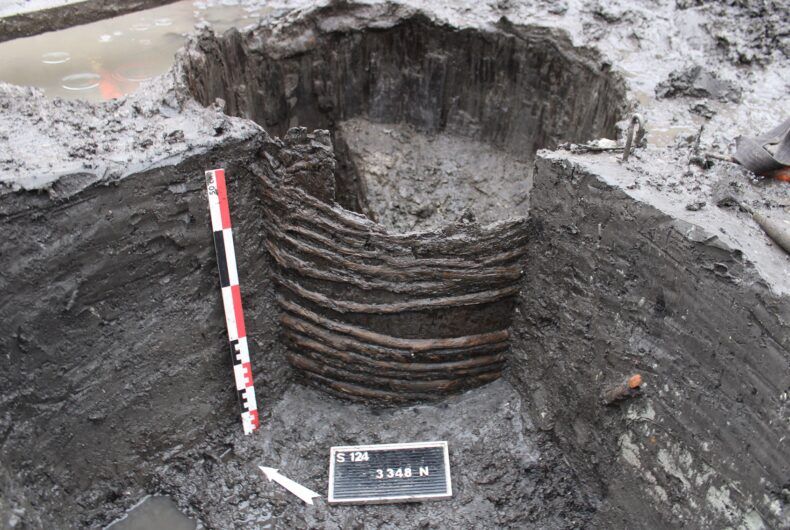
Well casings
Studies of well casings ranging from 5100 BC to the post-medieval period bear witness to the history of woodworking, use and the environments from which timber was supplied.
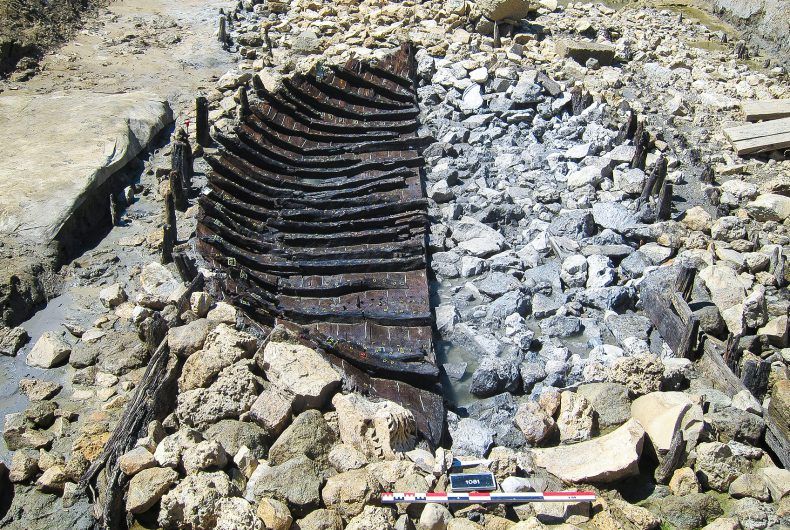
Mandirac wreck — fourth to fifth century AD
The characterisation of the wreck is based on a sample of about one hundred pieces. Eight species were used for the frames, strakes, planks and assembly parts.